|
Some of the local fauna
Butterflies, Moths, and some of the other insects in
the
insect photo gallery
- White lined Sphinx moth caterpillar
- Acmon Blue - plebejus acmon
- California sister - adelpha bredowii
- Dusky wing - erynnis funeralis
- Painted Lady - Vanessa cardui
- Sara Orangetip - anthocharis sara
- vivid dancer damselfly - agria vivida
- jerusalem cricket - stenopelmatus
- thistledown velvet and or gray velvet ant (really a wasp) - dasymutila
gloriosa
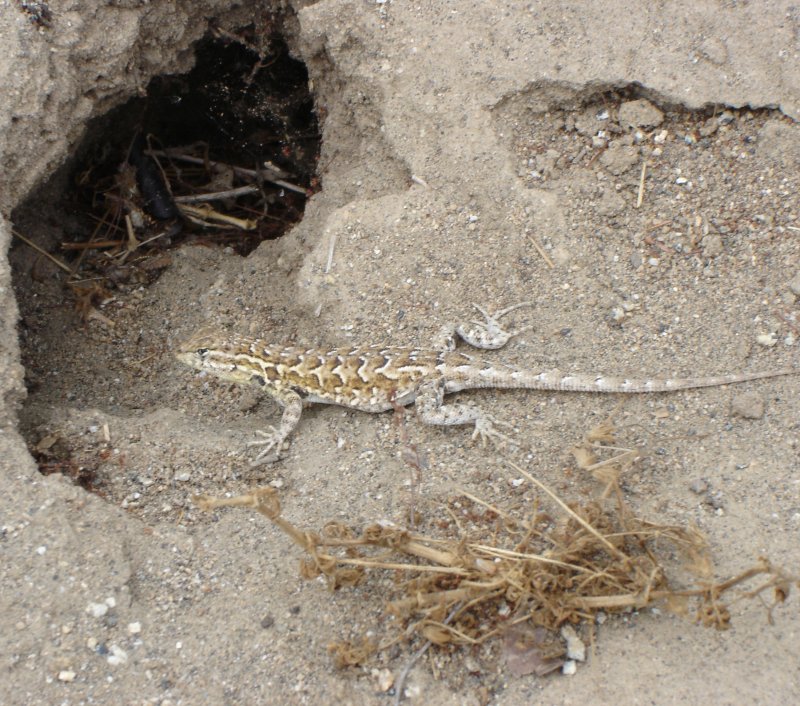
Lizards
- San Diego Alligator lizard - elgaria multicarinata webbii
- Western Fence lizard
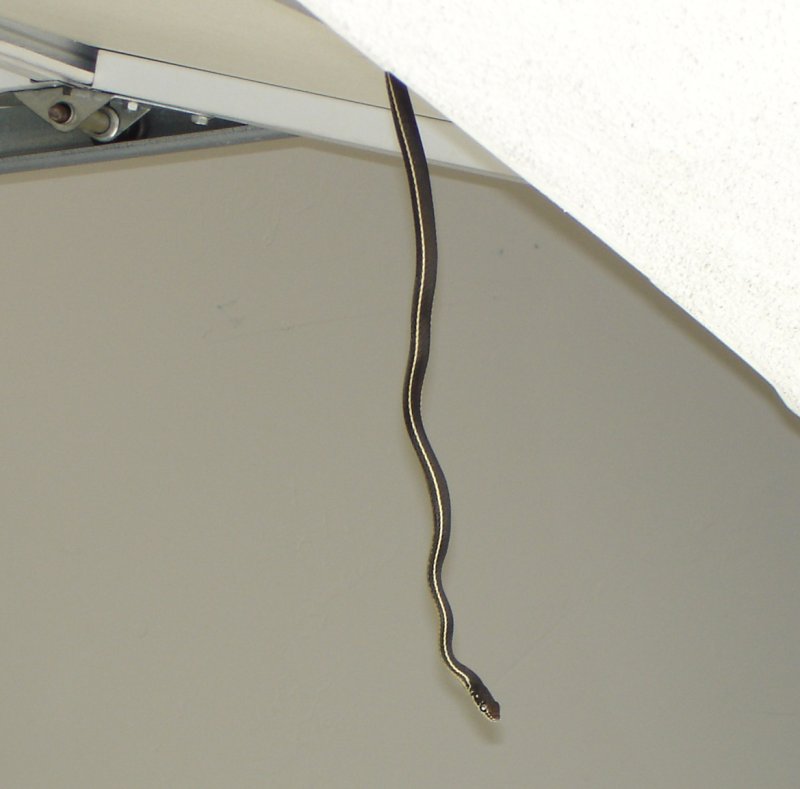
Snakes
- Rattlesnakes - western and red diamondback - scary
- California striped racer - good
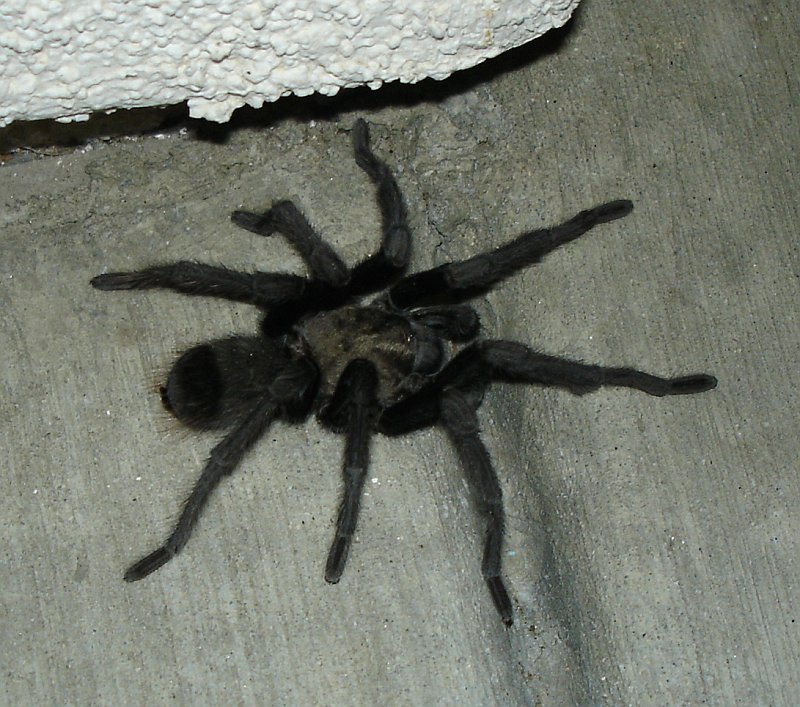
Spiders
- One or two every year in August
spider photos
Biting Insects
- Black fly - (Simuliidae) - aka buffalo gnat
- These are horrible, tiny, black, biting flies. They are fierce daytime
biting flies and from what I've read (online anyway) seem to be everywhere in
the world! They can make outdoor life miserable late spring through fall in my
area in Fallbrook, especially in late afternoon. Their bites leave itchy sore
welts that can last for days
- Chigger - (trombicula alfreddugesi) - aka chiggers
- Chiggers are insidious, they may be worse than the buffalo gnats -
with the buffalo gnat you know right away when you've been bitten and you can
see them circling you trying to get in a bite. You can't see chiggers and you
can be happily walking around for a couple of hours before noticing the
symptoms. Chiggers are mites that inject a digestive fluid containing enzymes
that cause skin cells to rupture. The fluids from the skin cells are then
consumed as food. The injected enzymes cause the skin to become red, swollen and
itchy. The itch may last for several days and will persist even after the
chigger has detached from the skin.
Ants
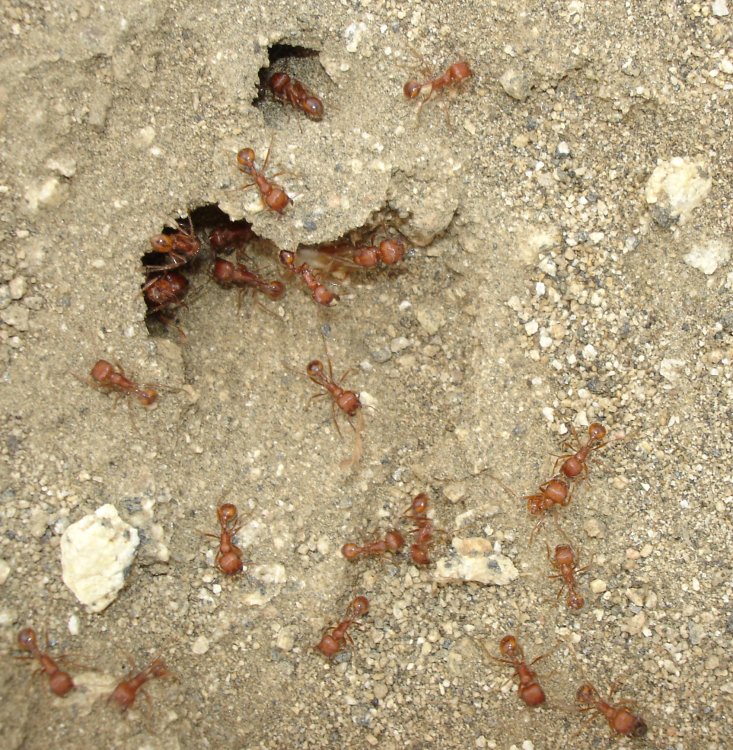
- California harvester ant - (Pogonomyrmex californicus)
- Large, shiny, red and hairy with large heads and mandibles, they nest
in large colonies in sandy soil, several feet deep! Colonies have several
openings with debris piles nearby. Ouch - they bite or sting. They harvest seeds
and dead insects and clear the ground in large circles around their nests.
You'll see lots of these along the 500 foot trail..
|
|